
You've built your agency around a handful of accounts that represent a significant share of your business. Then you learn that a competitor is discussing group captive insurance with one of them. The question isn't just whether you'll keep that client. It's what losing the account could mean for your agency.
I spend much of my week talking with agency owners facing this challenge. Here's what I see getting in the way for smaller agencies—and how to address it.
Guaranteed Cost vs. Group Captive Insurance: What You're Asking Clients to Trade
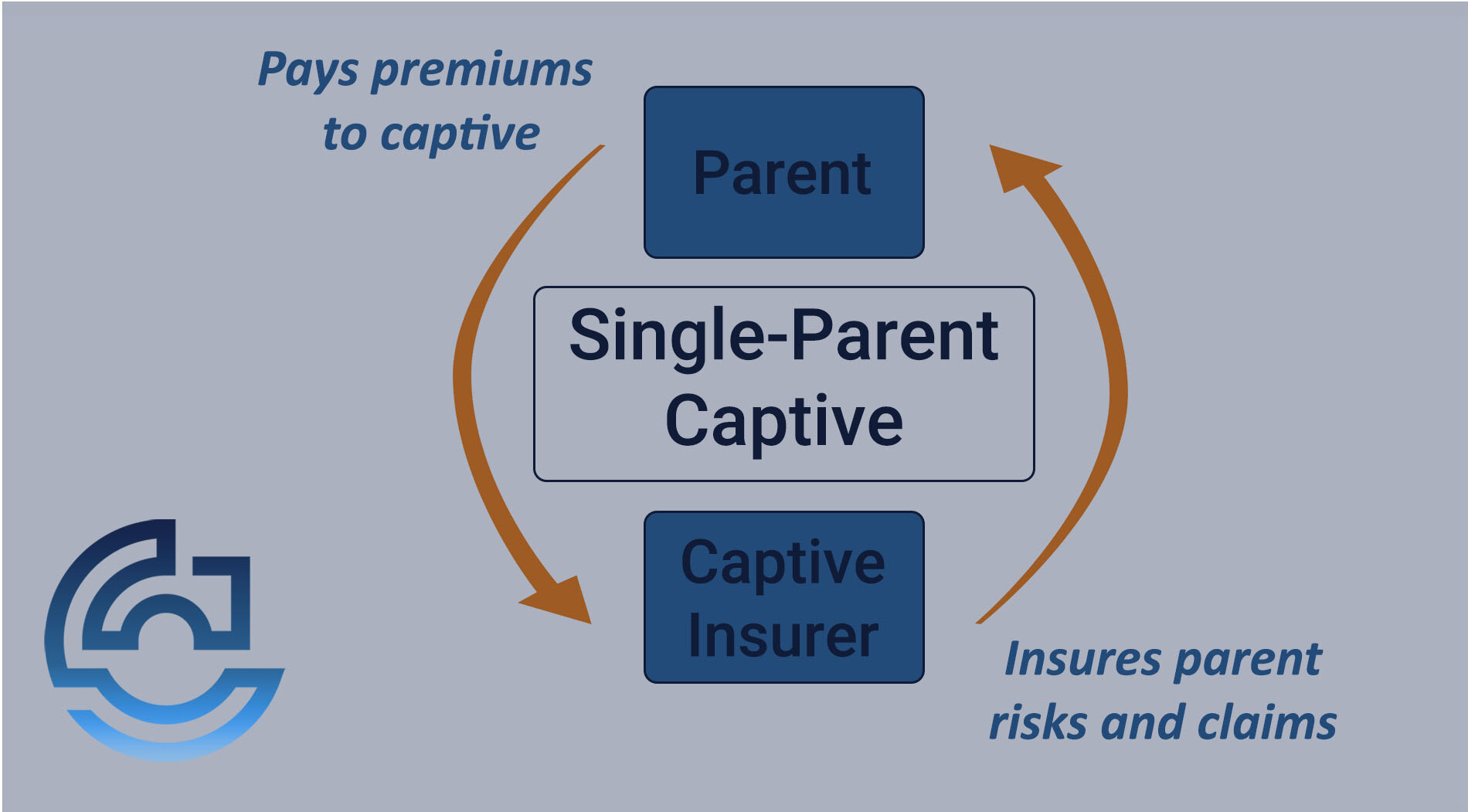
With guaranteed cost commercial insurance, your client pays a fixed premium, and the carrier assumes the insurance risk. The cost is predictable. But when the client's losses are better than expected, the carrier keeps the underwriting profit, and the cycle starts again at renewal.
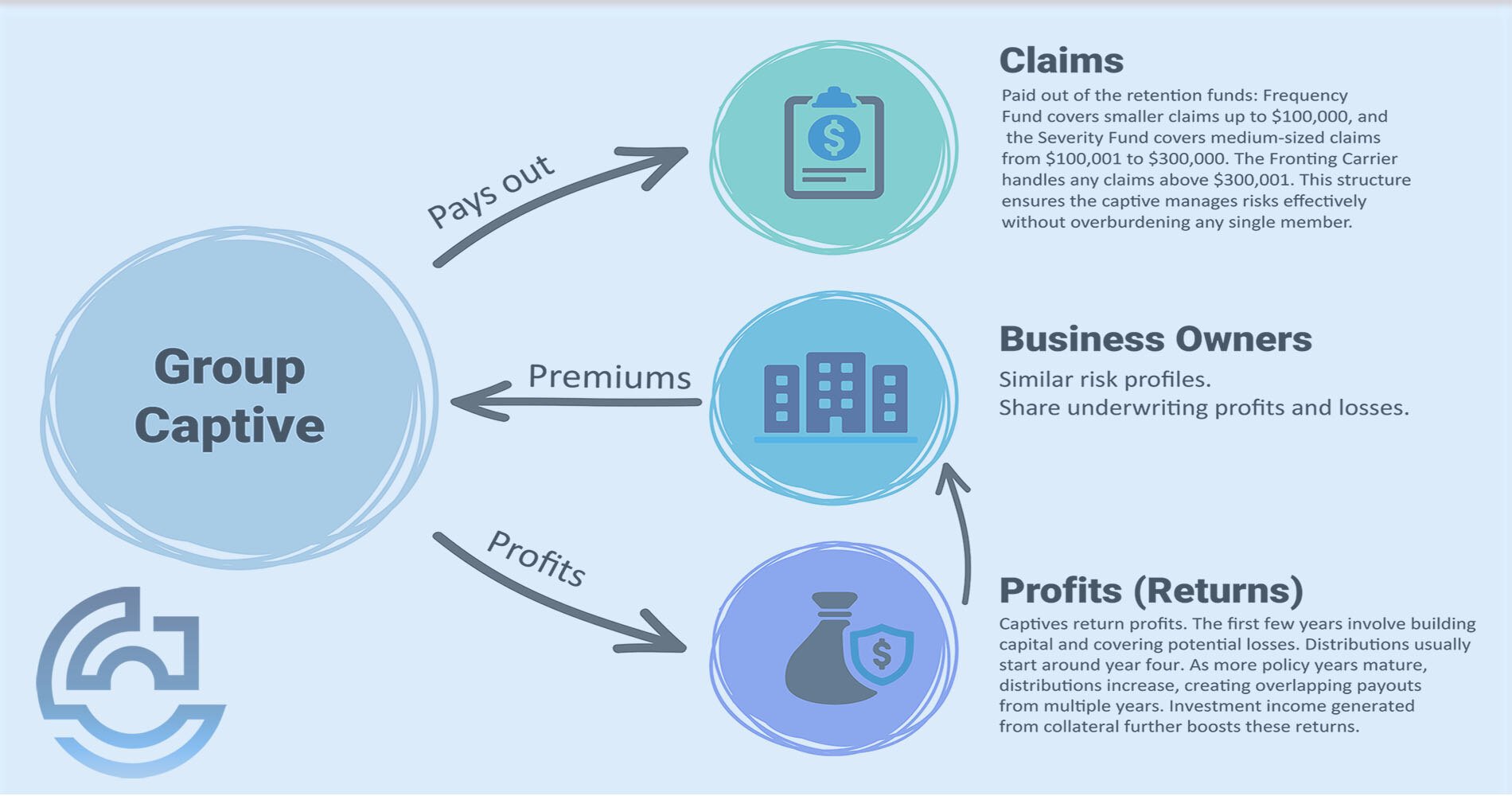
In a group captive, your client becomes a part-owner of an insurance company alongside other businesses and funds a layer of their own losses. In our program, members can receive underwriting profit in a good year. In a bad year, they may pay more, up to a maximum modeled before they join.
You're asking clients to trade some predictability for greater control and a share of the potential upside. Some are comfortable with that trade-off. Others aren't. Your job is to understand which type of client you're dealing with before taking the conversation further.
Fit: Only a Few Accounts in a Smaller Book Qualify
For our program, a client needs at least $250,000 in combined premium across workers' compensation, general liability, and auto, along with a clean-to-moderate loss history. For smaller agencies, that threshold can quickly narrow the field to just a handful of accounts.
Those are often the same accounts your agency depends on. Start by asking three questions:
- Premium: Does the client meet the threshold across these three lines?
- Risk appetite: Are they willing to assume some of their own risk in exchange for a share of the potential upside?
- Mindset: Do they believe better risk management can improve their results?
If your book is mostly small business insurance, some clients may not qualify today. A growing account that's approaching the threshold, or one with a loss pattern that can be improved, may be a "not yet" rather than a "no." Keep a short list of these prospects. They could become next year's opportunities.
Know which accounts qualify before a competitor starts the conversation with your client. Our prequalification checklist walks through the details.
Risk Tolerance: Answering the Client's "What If"
One of the first questions clients ask is, "What happens if we have a bad year?"
In our program, part of the premium funds smaller, more frequent claims. Another layer covers larger claims and is backed by reinsurance. If smaller claims exceed the amount set aside for them, the member may face an additional assessment. As a result, a steady pattern of smaller claims can impact a member more than one large claim, which the larger-claim layer is designed to absorb.
Pay attention to how clients respond to that possibility:
- "Show me the worst-case scenario." This is a workable starting point. The client wants to understand the downside before deciding.
- "I can't accept any chance of an extra bill." Guaranteed cost is likely the better option, at least for now.
- "We'll accept some ups and downs for better long-term economics." This may indicate a good fit.
I've seen a buyer walk away from a captive because his CEO worried that taking on additional risk could cost him his job. The client wasn't ready, and that was the right decision.
A client who can't accept the possibility of a bad year is better served by guaranteed cost. Being honest about that builds trust.
Underwriting Demands: More Than a Clean Loss Run
Captive underwriting requires more information than a typical renewal. In our program, that includes five years of loss runs, detailed payroll and revenue information, and documented safety practices. A client may have good results, but without records to support them, underwriting has little evidence that those results will continue.
Onboarding a client into our program typically takes 60 to 90 days. In my experience, collecting loss runs is often the slowest step, especially when you're not the incumbent agent. That timeline doesn't work well when everyone is scrambling to complete a renewal.
Start the conversation a month or two after renewal, while there's still time to gather the required information before the next renewal. If the client's risk management practices need improvement, a risk management audit can deliver value now and help prepare the business for a captive later.
Client Education: Explaining Collateral and Ownership
Two concepts often confuse clients: collateral and ownership.
Collateral helps secure the captive's ability to pay claims and remains tied up while the client participates. Think of it as a security deposit that's returned when the client exits the captive. It can be cash or a line of credit. When cash is used, the member earns investment income while the funds remain invested. A specialist can model the actual collateral requirement before the client makes a decision.
Ownership means the client becomes a member alongside other businesses. In our program, a board of member-owners decides how much surplus to release and how much to retain in reserves.
Your producers don't need to become actuaries. Their job is to start the captive conversation, not structure the deal. They need a clear explanation of the basics and a partner who can handle the technical details.
The Challenges Smaller Agencies Face
In my conversations with agency owners, larger agencies often have someone with captive placement experience. Smaller agencies typically rely on producers who also manage service, renewals, and prospecting. With fewer qualifying accounts, each opportunity carries more weight.
Agency owners also raise another concern: Will the captive manager take over the client relationship?
That concern isn't unfounded. Scott, an agent I respect, once placed 130 clients in a captive program. He entered as their quarterback—the trusted advisor coordinating the process—but left feeling more like a wide receiver, reacting to decisions others made.
Before adding a captive program to your agency's insurance solutions, ask the following questions:
- Who remains broker of record after placement?
- Who communicates with the client day to day?
- Who controls the renewal?
- How is the captive manager compensated, and how is your agency paid?
Choose a partner whose agreement keeps your agency at the center of the client relationship—not one that simply promises to do so. Hold us to the same standard. Our approach is to keep your agency as broker of record and work through you, not around you. We'll show you where the agreement supports that commitment.
What Agency Owners Can Do Next
Don't try to turn every client into a captive prospect. Focus on accounts where premium, risk appetite, and a commitment to loss control align. Start early, give underwriting time to do its job, and bring in a specialist to explain the structure.
This way, when a competitor approaches one of your key accounts about a captive, you will already know whether it's a good fit because you've started the conversation yourself.
Before approaching a client, use this quick check:
|
Question |
If yes |
If no |
|
$250,000 or more in combined workers' compensation, GL, and auto premium? |
Keep going |
Not yet. Revisit as the account grows. |
|
Clean-to-moderate loss history? |
Keep going |
Not yet. Address the loss pattern first. |
|
Willing to accept some risk for a share of the potential upside? |
Keep going |
Guaranteed cost may fit better for now. |
|
Believes risk management affects results, with practices documented? |
Keep going |
Start with a risk management audit. |
|
Renewal recently completed, with months before the next one? |
Begin gathering data |
Wait until the renewal closes. |
When a client meets all five criteria, it's time to examine the numbers. The captive insurance calculator helps illustrate the investment required, potential underwriting profit, and maximum out-of-pocket cost in a bad year.
It's always your client. Never ours.
Related Resources
- Captive Insurance Prequalification Checklist
- What Is Transparent Group Captive Insurance?
- What Is Group Captive Underwriting Profit?