
My client is worried that one bad year could wipe out everything they've built inside the captive. How does the protection actually work?
That worry tells me your client is thinking about this the right way. They're not asking if captives work. They're asking what happens when things go sideways. That's the right question, and the answer is more reassuring than most agents expect.
Here's the first thing to understand. Each policy year in a captive stands on its own. The underwriting profit your client earned in year one, year two, and year three doesn't get thrown into a pool that a bad year four can drain. The years are accounted for separately. A rough year costs your client in that year. It doesn't erase the gains from the years before it.
The second thing to understand is how the captive's structure contains the damage from a bad year. Your client's premium is split into a frequency fund for smaller, more frequent losses and a severity fund for the bigger, unexpected ones. Above both of those sits reinsurance, which absorbs claims that breach the retention layer. The captive isn't designed to absorb unlimited losses. It's designed to handle what it's sized for and transfer the rest.
Now here's the honest part. A bad year does have consequences. Your client's next renewal will reflect the claims experience. Their loss pick goes up, their costs go up, and if it's a significant year, their collateral requirement may get reviewed. That's not a punishment. That's how a transparent, performance-based model works. The captive shows your client exactly what happened, why their costs are adjusting, and what they can do about it.
What it does not do is reach back and claw away the underwriting profits from clean prior years. Those are distributed. Those have gone into your client's pocket. A bad year in year four doesn't un-ring that bell.
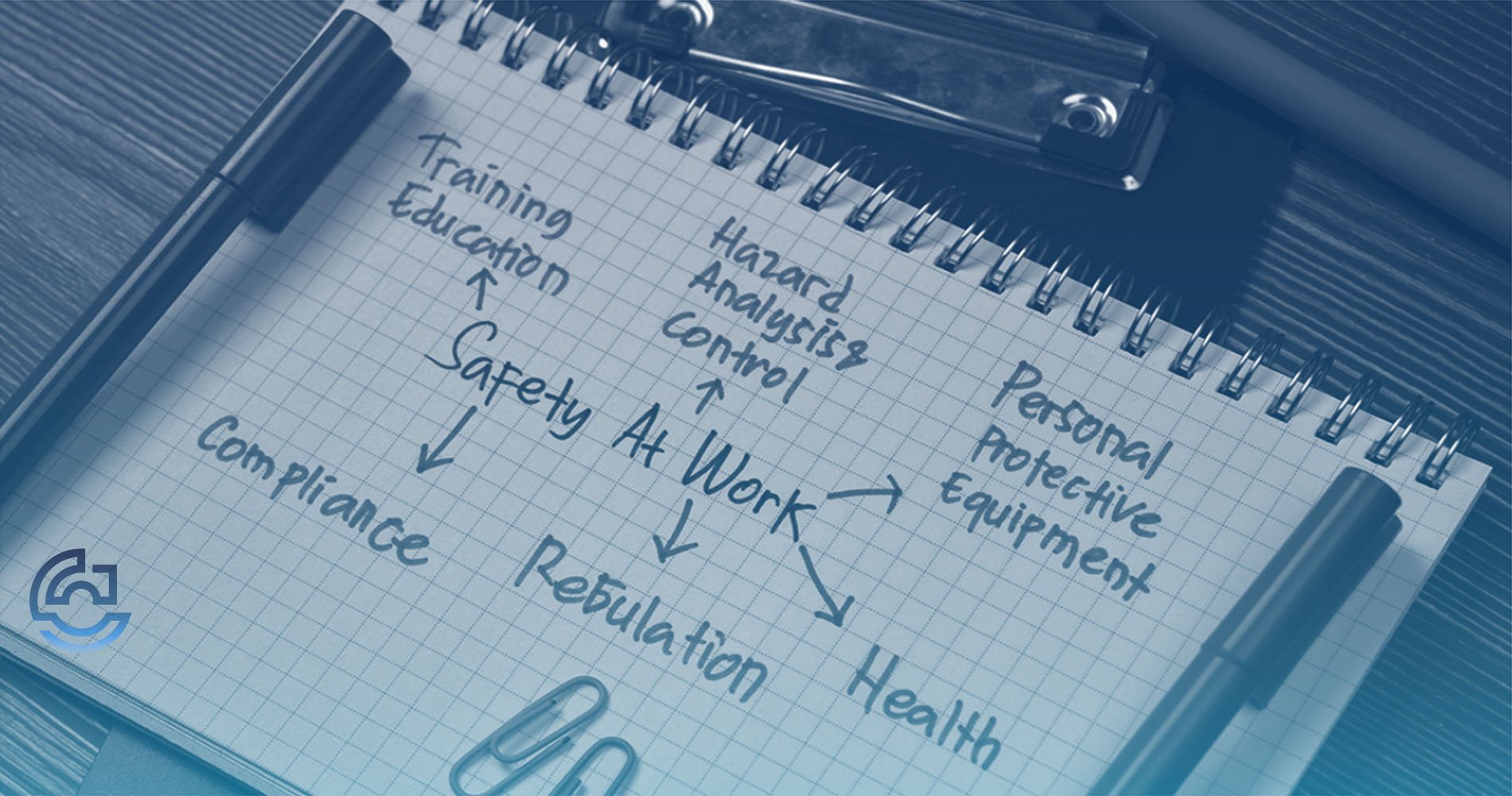
Here's what actually determines how well a client weathers a bad year. The culture they had around safety and risk management before it happened. The clients who are proactive about loss control, who take safety seriously and who use the captive's resources to improve every year occasionally have bad years, too. But they recover faster, their losses are better documented, and their next renewal doesn't shock them.
The captive is a long-term model. One year, good or bad, is a data point. Not a verdict.
It's always your client. Never ours.

Topics: